
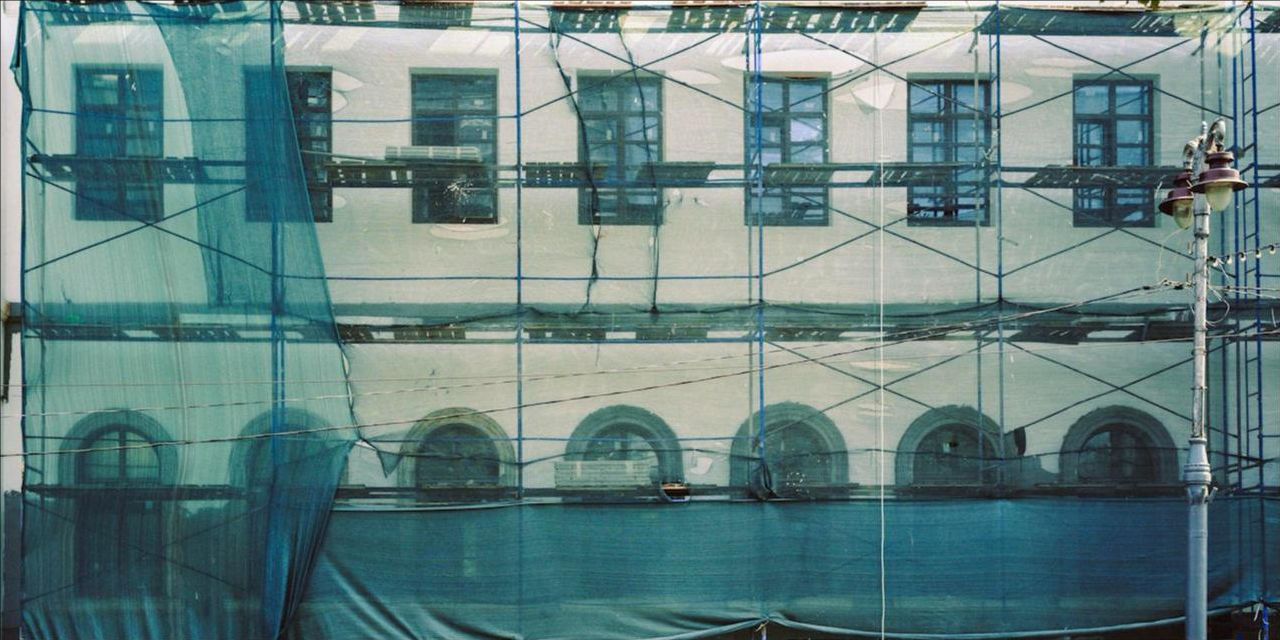
Façade, basement and retaining wall waterproofing
We stop water passing through masonry: cracked façades, below-ground plant rooms, car parks and basements.
Keeping water out of the structure.
Façades, retaining walls, basements and plant rooms: we treat water ingress where it passes through the walls.
Façade waterproof coatings
Polymer-based coatings classified I1 to I4 under NF DTU 42.1, chosen according to the level of cracking.
Basements & retaining walls
Tanking (NF DTU 14.1), resin injection and external membranes for car parks, plant rooms and stores.
Crack repair
Diagnosis, opening, sealing, reinforced bridging or stitching depending on the type of crack.
Plant rooms and basements: a priority.
Electrical rooms, generator rooms, stores and underground car parks are often below ground. Water ingress there directly threatens operations.
We identify how water gets in (hydrostatic pressure, capillarity, cracks, construction joints) before proposing the appropriate treatment.
- Diagnosis of water entry
- Injection of cracks and joints
- Internal tanking to NF DTU 14.1
- Façade coatings to NF DTU 42.1
Frequently asked questions.
Can't find your answer? Our team will get back to you directly.
Ask a questionWhat is the difference between paint and a waterproof coating?
Paint decorates and offers light protection. A waterproof coating is thicker and flexible: it bridges cracks and stops water passing through. Coatings are classified I1 to I4 according to the crack widths they can accommodate.
Can a basement be treated from the inside?
Yes, when the outside is inaccessible. Internal tanking designed for the water pressure is applied after treating cracks and joints.
Your free quote,with no obligation.
Leave your details and tell us about your site: a project manager will call you back to understand your needs and arrange a technical survey.
- Call-back within 24 business hours
- On-site survey and diagnosis before any quote
- Detailed, free, no-obligation proposal
- Work outside operating hours if required
- English-speaking point of contact